Pictures some of the Most Beautiful Fish

most beautiful fish

Beginners 101: Adopting New Family Pets

“Fish keeping is not just a hobby; it can change our lives, teaches us a lot of things related to science, understanding fish behavior and its requirements, care and responsibility and last but not least, how to accept and appreciate living beings”


Whether your newly adopted fish is a gift from a friend or one which you have just bought from a pet store, there are a few things you will need to know and get ready in order to make it a fun and enjoyable experience adding them as family pets. Fish unlike cats or dogs running around the house and yard, they are aquatic organisms which you will need to house them in an aquarium. Your first step towards successfully setting up a thriving fish tank begins with the basic fish education and it’s a long journey that forms the whole learning process that you will need to put effort into it before you can become an expert. Along the way, there are many questions you should ask yourself so that you can learn, plus, there are different aspects about caring for your pet fish that you should also be aware of. However, in generally there are just a few basic things you should know before you get started.

cichlids freshwater aquariumWater Quality
Before we move on further, first thing you should be aware of is that there are basically 3 different aquarium setup, one which is saltwater, another the freshwater aquariums and the last one is the brackish aquarium. What this means basically is that not all fish that you saw sold in pet shops are grouped under the same category. One of the most famous family pets is a clownfish, a cute and adorable small little fellow that eventually becomes a popular icon after it appeared in the movie “Finding Nemo” and that type of fish survives only in saltwater tanks. There are some popular ones which you will often hear like betta, goldfish, platy, catfish and these are freshwater species meaning that they will not mix with your clownfish. Among the freshwater types, it can be further divided into cold water species and also those that originate from tropical regions known as tropical fish. All these can be represented by the table shown below. Managing a saltwater tank is a more complicated process and thus, if you are a beginner to aquarium fish keeping, then I would suggest you stick to freshwater tanks.
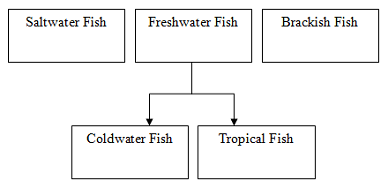
fish group tableEnsuring top notch water quality is very important as it will determine the outcome and health of your pets and your main priority is always to strive towards maintaining crystal clear water. Cloudy aquarium is often a problem that happened usually during the initial stage of the aquarium setup which is caused by a condition whereby the water has not yet fully cycled. To put it in lay man’s term what it means is that the natural equilibrium process between the breakdown of waste and new generation coming from the fish has not yet reached a balanced state and thus whatever poop that your pet fish produce will keep on building up in the water. I won’t go into details about this but in order to understand more about this subject, I would suggest you read up on how to maintain nitrite & nitrate levels.

Selection of Aquarium (Size, Shape)
One of the commonly heard questions is that which aquarium is the best to get yourself starting on the hobby? There is generally no right answer to this because depending on which type of fish that you intend to keep and your home space availability, with other constraints like money, these will determine what kind of tank you should be getting. But always, a simple rule of thumb is that the aquarium that you’ve selected must be durable and should be the largest fish tank which you can afford and with the right shape. There are people who insist on keeping fish in fancy attractions like unique bowls or tower aquariums for show display but for me, I prefer to keep it simple with a square shaped tank. This is important because it will help towards your routine chores like aquarium cleaning and the main thing is also whether your fish will feel happy living in the new home that you provide for them. Aquariums which are too small or too deep may not be suitable after all, so consult experts on what’s best for your precious pets. You might also want to check out how to select the perfect location to place your fish tank.

Lighting, Plants and Decorations
An empty aquarium with only just the fish swimming in it creates that kind of boring impression and thus it would be a good idea to decorate things up and make the environment look natural. Plants, rocks and bogwood are the best addition to create a natural living underwater world but avoid using plastic toys, seashells and clams because these items are notorious for leaching unwanted chemicals and cause contamination to the water harmful for your pets. Choice of tank lighting is also another factor that determines how lively your aquarium can be as the right selection will provide sufficient illumination and bring out the best color of your fish. You might want to read up on subject related to aquarium lighting.

Aquarium Filter
Filter is the heart and soul that ensures the aquarium system is running well. What it does is that the filter will play the role to remove unwanted waste and helps to clean out the water so that harmful microorganisms including parasites will have less chance of proliferating which can cause your fish to be sick. The moving water flow from a filter will also help to increase oxygen content and all these are vital to ensure that your fish survive and stays healthy. There are different types of aquarium filters and depending on your tank capacity, size of your pet fish and amount of waste it generates, this will determine the choice of filter to use. Each category of equipment has different working principles and ways of separating the waste from water. You can read more about this in another section on the selection of best filtration system. Also if you are looking for other new supplies and foods, look for something related to Seachem, Fluval, Hikari, Marineland, Biocube, JBJ or Tetra. (Note: these are not recommendations but they are the well-known established brands in the market)

Care, Maintenance and Feeding
Finally, comes to the most interesting aspect, which is how to ensure that everything runs smoothly. Fish like all other living organisms need to eat. As you drop foods into the water, this will be eaten up by your aquarium pets, ingested and then discharged as poop. The waste produced by your fish can be in liquid form that is soluble in water but there is also solid form that will eventually disintegrate as well. Although your aquarium filter can play an efficient task to remove the waste from the water, there is always a maximum limit whereby at one point, only a certain fixed amount can be taken out within a specific time frame. Therefore as the water continues to accumulate the unwanted materials, the quality will deteriorate and therefore, it needs to be routinely changed and added with fresh water.

Apart from that, growth of unsightly green algae and sticky waste that builds up onto the surface of the tank will also become another problem that you will need to tackle. If these are not attended to, eventually it will form a layer of coating appearing on the glass surfaces and not only will it create an ugly appearance but your pets will not like it either. That is why aquarium maintenance on cleaning and changing new water are very important tasks that you should never miss out and neglect. As a beginner, it will also help if you select those type of fish generally considered as "low maintenance species". Remember as I’ve said, keeping fish as family pets is all about responsibility, commitment, time management, with a little touch of love and care.

Further advanced topics for you to readup and become fish experts:
Handling and treating sick fish
Fun and exciting new ways to keep fish
Ways to Make Money off Fishkeeping Hobby
Understanding on how fish reproduce and breed
Guide towards setting up saltwater aquariums
Expensive freshwater species (for experienced hobbyist)


comparison between fluval and eheim Comparing Between Different Fish Filters (Advantages and Disadvantages). How about other brands like the BiOrb?

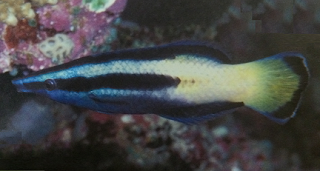
Bicolor Wrasse Cleaner Fish

The Bicolor Cleaner Wrasse is a unique, reef-safe aquarium fish that plays an important role to help maintain a healthy, parasite-free ecosystem in a community tank. To most aquarist, they are somehow regarded as the ideal, must-have “cleaner fish” not only because of what they do (removing dead cells from the other aquarium inhabitants) but also the most important trait which they possess is that the fish seem to have higher chances of survival, first avoid falling prey to the other bigger tank occupants and then also adapting to the changing aquarium environment. Unlike the marine shrimps (which also serve similar cleanup function), these tiny invertebrates somehow will get hunted down easily and eaten by the other reef fishes (anything larger than their miniature size), while in contrary the bicolor cleaner wrasses that seems to be able to avoid all that and hold their own ground pretty well. Do not let their sizes deceive you, because bicolor cleaner wrasses which measures only up to maximum 6 inches in length are known to be territorial in nature and each individual fish will claim a particular reef area as its personal spot to set up its own grooming station.

bicolor wrasse cleaner fish
When it comes to subject of compatibility, it seems that fish from their own species will pose higher threat rather than having the presence of the other fish species in the vicinity. Somehow, due to unexplained phenomenon, they seem to get along well with other larger tank occupants (without getting harmed, even 10 or 20 times their size), including those having predatory nature such as the moray eel which will easily gulp and devour anything that looks like food to them. During their normal work activity, you will often find the bicolor cleaner fish nibbling on the surface of the other fishes’ body, helping to clean and remove unwanted parasites plus dead cells while at the same time, seizing the opportunity to consume off the mucous as part of their diet.

Bicolor Cleaner Wrasses (Labroides bicolor) are generally easy to maintain as long as there are enough fish around needing their cleaning service. Most aquarist tried to provide meaty supplement for fear of their precious pets not getting enough food supply but this is not even necessary because, the only thing that is important to them is the mucus from the fishes’ body. Identifying the bicolor can be quite easy because they possess the distinctive neon blue plus black horizontal stripes along with the yellowish shade that appears towards the tail fin region. Nowadays, it’s quite rare to see fine specimen being sold in fish shops and depending on where you came from, for what I know certain countries have banned collection of these fish from the wild because by depleting the numbers, it will actually have devastating effect towards maintaining a balanced ecosystem as a lot of reef fishes depend on the bicolor cleaner wrasse for survival. Check carefully with your local fish dealers and if you can find aquarium-bred specimen, then by all means you shouldn’t miss the opportunity to get your very own cleanup crew for your community reef tank.


comparison between fluval and eheim Comparing Between Different Fish Filters (Advantages and Disadvantages). How about other brands like the BiOrb?

Schooling Pajama Cardinal Fish

If you are looking for active, schooling marine fish to grace your home aquarium, then the Pajama Cardinalfish (Scientific name: Sphaeramia nematoptera) would be perfect for your plan. Being relatively inexpensive, you can get any aquarium-bred fine specimen for under $20 as these hardy, reef-safe pet fish will certainly worth any price that you paid for. The fish can become your long-lasting companion provided that you understand and know well about their requirements to provide the best care that they deserve. Even though they require very little attention when housed in an aged and well-established tank, sometimes even the most experienced aquarist will find it hard to comprehend what went wrong to their prized possession. Let us look at every detail about this tropical fish.
pajama cardinalfish

Appearance and Look
Pajama cardinal although may look dull to some but in a nicely-decorated saltwater fish tank (as shown in the picture), their color contrast seems to project out and will become clearer especially when they are swimming among shades of darker backdrop. The species is easily recognizable not only by their shape but you can also tell them apart from their color. One thing that you will find unique about the fish is that near the head region, it is generally yellowish, then after the gill you will find a single black vertical band located almost at the center of the body and towards their rear, you can see a number of brownish faint dots appearing until the tailfin. Another significant feature you will find present on the pajama cardinal is the two pointy dorsal fins that seem to be their unique signature. All I can say is that if you happen to see one, you will know it’s them, even without looking at the identification tag displayed on the fish tank.

Aquarium Food and Water Quality
Care requirements for cardinalfish would the same like most of the tropical marine fish. There is nothing special that you will need to particularly watch out for. However, one aspect based on my experience dealing with them is to be sensitive with your pH control as a sudden drop can be quite devastating for them. Pajama cardinals are known to be susceptible to diseases such as bloating when fed with certain commercially prepared fish food and just like any other marine dwellers, it would be best that you have a well-established reef tank where there are presence of microscopic microorganisms to supplement their diet and keep them healthy. Newly acquired cardinals introduced to a different tank setup may not even eat and sometimes, they will take quite a long time to adjust to the new environment. It is recommended that you provide some artificial cave as hiding space as these nocturnal fish seems to like it there. If you have a tank that simulate a day and night cycle, you will also notice that they are particularly active when the lights are out. Also don’t forget to keep a close watch on the temperature because being a tropical species that are found mostly off the coast of Indonesia from the Java island to Sulawesi up to Papua New Guinea, it is wise that you provide the condition almost close to the natural habitat where their ancestors live and proliferate.

Compatibility with other Marine Fish
“Peaceful” would be the choice of word best use to describe the species. It is very rare to find pajama cardinal developing social conflict with the other fishes. They are suited living in a community environment comprising not only fish species from their own cardinal family but they will also get along pretty well with some other distant marine cousins like the clownfish and firefish. A basic rule of thumb, avoid keeping them with other larger companions especially those with predatory nature like the hawkfish. In general, they are invertebrate-safe but that only remain true provided that you don’t have tiny invertebrate so small like the mini shrimps that the fish will easily fit these creatures into their mouth.

Breeding little cardinal fry
Pajama cardinalfish tends to readily breed when kept in perfect living condition and their numbers will multiply if you have a large tank that is generally under-stocked. This will ensure that the young has plenty of food to feed on and most important having enough hiding space to avoid themselves from being eaten by the other fish and even from their own parents. Most aquarists advocate separating the young and then feeding them with live brine shrimp to ensure higher mortality rate, but however, most that successfully raise and care for the fry until they reach adulthood will tell you that it is not even necessary to do so. If you hope to increase incidences of the fish spawning on their own, make sure that your pets are kept in groups or school of more than 6 individually matured fish to have higher chances of mating. If everything else fails, it’s time to recall what you have done and investigate what went wrong because perfectly well-cared cardinal pairs should breed on their own without your intervention.


comparison between fluval and eheim Comparing Between Different Fish Filters (Advantages and Disadvantages). How about other brands like the BiOrb?

Make Money off Fishkeeping Hobby

We often find ourselves spending a lot of money for our pets and most of the time; we find it’s pretty hard to keep up with the spending especially with the increasing cost of fish foods, electricity, water test kits, and medicine. So despite all that, the question always comes about on how we can make something in return for all the effort that we’ve put in? Wouldn’t it be cool to actually make some money and continue to enjoy doing the things that we like to do most? The topic that I’m going to cover here touches on some of the ways we can make money from our fishkeeping hobby and (if not) probably make enough just to cover back the cost of daily expenses. Some of the approaches involve methods that are directly related to the hobby itself while others may need some extra works which are not so direct to say.

Breed and sell
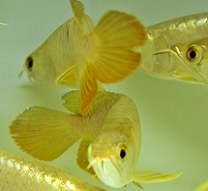
arowana photoIf you know the tricks about fishkeeping and have put in a lot of effort to ensure that your pet fish are well taken care of, you can actually breed and produce young baby fish enough to sell off. Forget about livebearers or some other fast-producing fish like platy, because numbers don’t count and in fact most fish stores won’t even buy back from you. Well, unless you are into fancy guppies which could probably fetch about 20 bucks a fish, trust me, you won’t actually make something decent in return to even cover back the amount of time and overall expenditure. For me, I prefer exotic and rare fish species like arowana or discus because these fish can fetch few thousands dollars by selling to collectors and this would be enough to cover back the investment that you’ve put in especially for buying those expensive pumps, aquariums and such. Here's the list of most expensive freshwater pet fish for your consideration.

Trading pet supplies
Getting to know the circle of people around you especially those in your niche does help. That means it would be a good idea to hook up with the local community fish clubs and the most effective approach is being part of active contributing members. With that relationship in mind, how many of you actually given the thought of doing some trading in pet supplies? This might sound complicated at first but it’s nothing more that just the standard approach of buying low from some auction house and then sell it high to the right people who wanted the stuff urgently. Based on what I’ve seen thus far, second hand used aquarium filters and fish tank are your best bet and there are people who were willing to let go and sell it off for a cheap price especially for those who were quitting the hobby. Also there are also the groups of people who can’t afford or are just not willing to pay for an expensive unit so they wouldn’t mind getting a used stuff instead. And that is where you come in to fill the gap and make money off it, but first as I’ve said earlier, you need to establish yourself within the niche first.

Offer services for a price
Fishkeeping may not be for everyone because it can be very time consuming. For those working executives or managers who can’t spend enough time taking care of their pets full time but still want to enjoy the pleasure of fishkeeping might want to consider acquiring services of people who can do the difficult part for them like tank cleaning and changing water. There are also some hobbyists who actually lack the confidence to do it themselves and thus would like some extra help and so that’s where you come in to the picture. Like I’ve said earlier, if you have known a lot of people and then building your reputation around them, people wouldn’t mind paying for your time and presence. Think of it like being a consultant or expert cum service provider. It all depends on how you look at it.

Sell fish photos
Stock photos can be sold without requiring any investment other than your camera. Although many frown upon the idea as they don’t believe anyone can actually make much out of it, however if you have "quality" photos especially of your well-decorated tank, fish, or even aquatic plant, I’m sure people wouldn’t mind paying for it. I won’t mention which third party sites you can sell you photos, just Google and you will find tons of information to help you out. There are easily about 10 stock photography sites out there to sell your masterpiece and since your pets are already there on display, why not snap the perfect moments and generate some money in return. Just some tips to help you get started; photos of marine aquariums are definitely hot selling items. View my freshwater fish photo gallery.

Blog and write about your experience
Websites, blogs and journals are not something new. In fact with very little web design experience or knowledge, anyone can choose a simple platform which can help to simplify the task of writing down your fishkeeping journey and experience and then share with your visitors about the hobby. From there depending on your choice and other options available, you can decide to generate some money by placing some ads or sell off the advertising space. Although this is not a direct approach and might require some extra skills, depending on how you go about doing it, it is actually not that hard to learn. A word of advice though, try not to treat the blogs or websites as a serious venture or big mega business, just think of it as a way to supplement some income to support your hobby. So, that’s about it. If you are creative, the list of options will go on and on.


comparison between fluval and eheim Comparing Between Different Fish Filters (Advantages and Disadvantages). How about other brands like the BiOrb?

Identifying & Naming Different Platy Types

There are different variants or types of platy fish each characterized by its own unique color combination. Even though a quick glance will tell you that each individual colored fish are not similar but generally all of them are still categorized under the common group with the same scientific classification (Xiphophorus maculatus). Platy being a simple, hardy and highly productive fish, can multiple fast enough extending up to 3 generations in just a year, and this makes the task of selective breeding becomes easier as it allows aqua fish breeders to choose and target the desired strain with the right color combination and more important with the specific traits or features that they want.

Nowadays the most common colors of platy sold in pet shops can be different, ranging from pure solid white, blue, orange, green, black, red or even yellow while for some, it can be mixture of either one of these colors. There are also other unique breeds of platy like for instance the long trailing high-fin type or the pointy pintail fin. Let’s us compare and understand some of the exciting names given to describe the fish using the accompanying picture attached below as a guide.

platy types colors

Bumblebee Platy
Bumblebee is probably one of the latest platy types to be introduced to the market. They are unique in the sense that their alternate yellow and black shades resemble to that of a bumblebee. Some of the fish has black marking covering just the head and gill area while there are others with the black spot appearing at the tail end.

Koi Platy
Koi platy is probably one of the most beautiful and exciting variant due to its color pattern bearing close resemblance as seen on a koi fish. Some can appear with just orange and white shades while there are others having extra black speckles distributed randomly on its body. Most of the koi platy that you see sold in pet shops have red colored eyes. The color pattern is often compared to that of Kohaku koi.

Mickey Mouse” Platy
The fish is named after the popular Disney character due to the presence of the three significant black color spots appearing specifically on the tail fin. While two of the darker spots are smaller, the other appears slightly bigger and the way the markings are arranged resembles very much like a Mickey Mouse. Platy in this category can appear in orange, yellow or red but the most commonly seen is the yellow-colored type.

Wag-Tail Platy
What makes this variant different from the other common platy fish is mainly because of the tail fin which appears to be completely black. If you compare a normal fully red or fully yellow on the whole body (including the tail) with the Wag-tail platy, the only different you can spot is obviously just on the end part. The rest are just similar.

Sunset (Marigold) Platy
This type of platy is highly popular due to its yellow and red sunset shade which forms a beautiful color tone. Normally one half of its body is yellow orangery while the other half towards the end will slowly becomes red. If you get the chance to see one of these pet fish, then just get one as they are simply amazing especially when you see them filled up the whole aquarium.

Panda Platy
Panda platy is noted for its simplicity with the color combination of black and white shades that appear just like a panda bear. Normally the fish will have white covering the front part of the body extending almost until the caudal peduncle while the rest until tail fin are just black. Highly recommended and suggested for those enthusiasts who are looking for plain-looking and simple pet fish.

Tuxedo Platy
All Tuxedo platy have one similar characteristic that is having shades of black appearing on the middle of its body close to the caudal peduncle. Usually the black color will combine with either red (in this case it is Red Tuxedo), orange (Orange Tuxedo) or blue (Blue Tuxedo). Refer to the example depicted in the attached picture for better clarification.

Pintail Platy
If you are one of the hobbyist who prefer something different compared to the average normal platy, then you ought to consider the pintail. The most common mistake people made when comparing between a pintail platy and a swordtail is that they thought both fish are actually the same but they are not. Platy fish having rounder and shorter body will have the sharp pointy extended tail appears at the middle of the tail fin while for swordtail, which overall has elongated body will have the extended fin appearing either at the top or bottom region of the fin.

High-Fin Platy
High-Fin platy can exist in any type of color whether single or combined with different shades of color. The only requisite for this fish to qualify for the special name is the extended dorsal fin which grows longer as the fish grows older. Certain high-fins experienced difficulty when swimming due to the extra weight exerted by the trailing fin.

Comet Platy
Comets can be easily identified based on its black border/sideline appearing on the tail fin. Comets can appear in different colors ranging from red, orange or even blue (although in blue the border becomes less visible). A recommended variant of platy fish you should have for your home aquarium stock.

If you would like to read up more about this fish, read up on platy care and breeding.


comparison between fluval and eheim Comparing Between Different Fish Filters (Advantages and Disadvantages). How about other brands like the BiOrb?

Breeding Ornamental Dwarf Shrimps and General Tank Setup

breeding shrimp pair
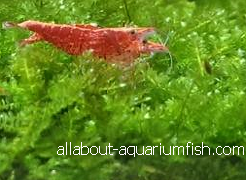
Dwarf Shrimps seen in freshwater aquariums basically come from two common genera, which are Neocaridina and Caridina. They make excellent household aquatic pets mainly because of their tiny size that will fit in nicely into a nano tank which you can place just about anywhere including your office table. Depending on species, some of them are considered hardy creatures and being rather undemanding, almost anyone can handle them pretty well. Even for complete newbies (who although had prior experience keeping freshwater fish but have never dealt with shrimps before); one should still be able to easily grasp the basics about general care and breeding. They are considered perfect choice of invertebrates for aquascaping enthusiasts and for those who are fans of keeping small community pet fish, dwarf shrimps will certainly fit in nicely. Let’s look at some of the general requirements which are broken down into different sections to help make it easier for you to understand everything you need to know about breeding these ornamental shrimps.

The First Step: Basic Tank Setup
Depending on which species, the most easy-to-care for recommended for beginners would be the Red Cherry Shrimps (RCS). They can tolerate tropical water living condition with the temperature ranging between 25 up to 27 deg Celsius and your tank must have plenty of live aquatic plants and moss growing in it which becomes the grazing spot for your pet shrimps. To set up the ideal environment, basically what I would suggest is that you will need to have the one of the main ingredients which is ADA substrate. Don’t worry if you can’t afford buying it as it can quite expensive but what you can actually do is to mix them with some fine sand which you can get it for cheap. The special substrates which can be bought online contain the proper nutrient to support plants healthy growth. Apart for that, ensure that you have a proper lighting system in place because these are needed not only for your growing moss but also to ensure that you shrimps develop bright coloration. Apart from java fern or moss, you can use “water sprite” which is basically a hardy plant which can regenerate quickly without the need of CO2 system. In fact, most established systems that I’ve maintained will do just fine without artificial addition of CO2.

A two feet aquarium tank can support growing population of shrimp up to few hundreds provided that you have a stable, fully-cycled system equipped with an efficient filtration setup that supports beneficial bacteria to absorb the bioload. If you find that nitrate level is too high, you can add some duckweed to absorb the excess nutrient and take it out from the water. The ideal nitrate level should not cross 10ppm level. Overall, depending on how you balance the nitrate generation and take-off rate, a small, simple tank setup with only plants and shrimps can be self-sustainable because the low amount of bioload generated by the shrimp can be easily absorbed and converted by the beneficial bacteria into fertilizers for your plants. If you have desire to set up a community aquarium, you can even consider adding only male guppies as both the fish and invertebrate can co-exist with each other just fine. Avoid female guppies as they will multiply and crowd the aquarium, something which you want to avoid as your main attraction here is still the shrimp and not the fish. Other option would be rasbora or some of the other South American Tetra which of course the best option would be neon fish.

Breeding and Propagation
Provided that you have the right tank setup, dwarf shrimps will multiply and breed by themselves and soon enough, you will start to see shrimplets. If your intention is to collect as much as possible of these little shrimps to sell it off and make some money, it would be a good idea to create a single-species tank minus the fish. These will ensure low predation and allow most of the tiny young offspring to survive. As mentioned earlier, there are two genera involved here. To maintain a specific strain with the desired characteristics, avoid mixing shrimps with members classified under the same genera. The purpose is actually to avoid interbreeding (like for example a cross breed between a Yellow Shrimp (Neocaridina heterpoda) and Red Cherry Shrimp (Neocaridina denticulate) which will end up producing offsprings with some undesirable characteristic. However, if you mix together species from different genera like for example, Crystal Red Shrimp (Caridina cantonensis) and Red Cherry Shrimp, there should not be any problem as they will not interbreed. Use the scientific nomenclature to guide you on this as the simple rule of thumb is to avoid mixing Caridina and Neocaridina together. There are exceptions however like for instance the Malaya Shrimps (Caridina sp “Malaya”) which will not create issue on interbreeding even when they are mixed with other shrimps belonging to the same Caridina genus.


comparison between fluval and eheim Comparing Between Different Fish Filters (Advantages and Disadvantages). How about other brands like the BiOrb?

Tropical Freshwater Barbs

Taxonomy and Grouping
Barbs are freshwater fish that belong to the Cyriniformes (also called Cyprinidae) group which also includes the danios, loaches, koi, goldfish and rasboras, all belonging to the same family. Most of the barb species are important game fish which are highly-sought after by anglers, while in certain countries they are served as exotic delicacy consumed by the locals as food fish. The barbs are natives to Asia and Africa and most of the tropical species are still found in their natural habitats around Malaysia, Thailand, on the islands of Sumatra in Indonesia, Borneo and Indo-China including some parts of India and Pakistan close to the Himalaya. They are normally found in fast-flowing rivers, streams or waterfalls which are highly rich in oxygen which allows them to thrive. Today barbs are commercially bred in aquaculture farms and also adopted as pets in aquariums around the world.
Barbodes daruphani
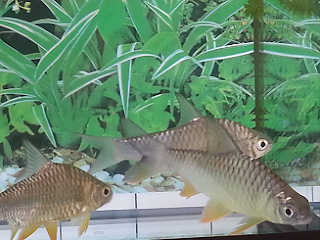
Pictured above are wild-caught young Barbodes daruphani (common name: Pale Yellow barb). Notice the signature yellow-colored finnage and shiny silver scales.

Barbs are characterized by their broad and shiny scales coupled with their fast and agile swimming ability, an important trait that allows them to battle strong water current. Some of them have a pair of barbell but not all fish posses this feature. Certain species can reach gigantic size measuring above 3 feet in length although in confined aquarium environment, they hardly get more than a foot. Puntius genera like the Cherry and Tiger barbs are much smaller which only attain maximum 2 inches. Their other related cousins like for example the Tin Foil barb from the genus Barbodes can measure up to one foot while for Hampala and Tor genera (common name Mahseer) they can easily reach more than 3 feet (1 meter). The latter are considered prized game fish. In aquariums, keeping them in captivity requires not only a normal air pump to create bubbles and aeration but they also will require an additional high-powered water pump to generate the required water flow. Adjust the flow rate accordingly depending on the size of the species.

Barb Care and Breeding
Barbs in general are excellent community fish. However, there are certain species like tiger barbs which are excluded from the list due to their notorious fin nipping behavior. Overall, they are highly peaceful and social fish but can be very shy and sometimes they take long period of time to adapt to a new aquarium environment. Barbs do shoal but they do not get as close to each other as compared to the Tetras (Family: Characins). They are also excellent jumpers especially when they are startled or attempts were made to catch them. They are certainly not fussy eaters and they will accept anything given to them like for instance peas, fresh greens, worms or even live shrimps. They prefer soft acidic water and being a tropical fish, they need temperature of at least 25 deg Celsius minimum to remain active. The aquarium surrounding can be left empty with barren tank bottom but there is more benefit to offer if you have some live aquatic plants which helps to provide cover for the fish to hide and also to improve the water quality. Suitable aquatic plants are water sprite and hornwort which can be left floating in the water. 

Barbs naturally can breed on their own under the best and optimal living conditions. Being egg-scatters, they produce their young by means of external fertilization in which the eggs released by the females will be fertilized by the milt from the male fish using water as a medium. The eggs will stick to anywhere it comes into contact with the moment they were released adhering to the surface of the tank, plants, rocks or even filter pipes. Overall barbs are poor parents because they don’t have even the slightest parental instinct and will readily consume even their own eggs. If your spawning pair is among a group of barbs in which some of them do not participate in the activity, the remaining fish will instead turn into hungry egg eaters leaving almost close to nil surviving eggs. That is why if you have intention to breed your fish and ensure highest rate of survival, the potential parents must first be transferred to their own tank where you can induce breeding by lowering water temperature and then bring it back to normal, adjusting the pH to become acidic and ensuring the water quality remains top notch at all times. Sometimes it might be a good idea to introduce 2 male adult fish for one female in order to ensure that the bulk of eggs are fertilized. Female can be differentiated by the male based on their firmer and round body caused by the swelling eggs.

Fry Development
Once the process is complete, you won’t need the parents anymore and they can be transferred back to the original tank and allow the young to survive on their own. Eggs can number between few hundreds to thousands depending on the maturity and size of the female fish. Normally eggs will hatch in about 3 to 5 days depending on the temperature of water whereby higher temperature will certainly speed up the process. Once you can see the fry, you should start supplementing live foods and during this period, it is imperative that the water must stay clean all the time. Expert breeders especially those from the aquaculture industry and fish farms specializing in mass barbs production as food fish will perform manual hand spawning to extract the eggs and milt from the fish. This will ensure highest yield and profit while lower the operating cost of maintaining the farm.


comparison between fluval and eheim Comparing Between Different Fish Filters (Advantages and Disadvantages). How about other brands like the BiOrb?

Invertebrate-Compatible Marine Fish

giant marine reef tankGetting Invertebrate-Compatible Marine Fish allows you to establish a community tank housing different species of living organisms that will coexist and tolerate each other without causing any harm or injury to the other. The idea of a perfect natural reef ecosystem is when you have all the different types of fish living harmoniously with the presence of other sea creatures like anemones, corals, starfishes, seahorses, snails, clams or even small crustaceans like cleaner shrimps. Selecting the correct mix of fish species will certainly save you a lot of time, effort and avoid the trouble having to deal with the potential damage. To quote an example, Angelfish especially, although seemingly innocent-looking, are very notorious and you should never put your trust in them, more over when you have a tank filled with all the precious and expensive imported corals. Put aside the issue on whether they were well-fed or otherwise, it is just part of their natural behavior, something which is not meant to change as they love to nip and graze on the coral patches. Let’s look some of the options and the type of invertebrate-compatible fish you can choose as companion for your reef tank.

Cardinalfish
Sphaeramia nematopteraCardinals are always the best option. If you have banggai cardinalfish (Pterapogon kauderni) or the popular pajama cardinalfish (Sphaeramia nematoptera), these little fellas are considered reef-safe and will live in harmony with all the other invertebrates. They make attractive addition to any community tank and will co-exist with the presence of other peaceful tank mates; best recommended would be the firefish. In the aquarium environment, they show a very close-knitted behavior with their own species often staying in groups, swimming very close to the stony corals, which are exactly the same behavior shown in the wild. They rarely display the level of aggression you could see on certain fish and the worst thing that could happen is the tiny worms living close within the vicinity becoming their prey. There are exceptions however, if you have the large-toothed cardinalfish which are considered solitary species and with their strong teeth, they can even crush the shell of crustaceans. Avoid having this at all cost!
Blennies
Blennies generally will not pose any serious threat in the aquarium and they thrive well in community reef tanks. They will go about with their daily activities, minding their own business and leaving the other invertebrates occupants alone. Bicolor blennies (Ecsenius bicolor) will make great addition and even for the Striped Fang (Meiacanthus grammistes) known for its strong teeth, both of them rarely disturb or harass the other fish including other smaller invertebrates. Problem only arise when you starve or underfeed them as they will start to nip on the coral polyps and the clams mantle. Make sure that you provide plenty of algae feed and place close observations when they start to show unusual behavior. Nevertheless, they certainly qualify as wonderful pet fish suited for the invertebrate tank.

Grammas
The group includes several interesting species and proves to be one of the most attractive must-have community occupants. If you are a fan of collecting small marine fish, you should not miss adding them to the list as they certainly make wonderful addition to any invertebrate or reef tank. Apart from their size and cute-looking face, they are also colorful, most eye-catching is the blend of orange and purple shades on body. Commonly seen and popular in the aquarium trade even among kids is the Royal Gramma (Gramma loreto). This fish can be kept in small groups and they love to hide among the nooks created by the pile of live rocks. They can show a very odd swimming style which easily catches the attention of any aquarist. They will do just fine with the presence of clams, snails, polyp or even starfish around.

Anemonefish
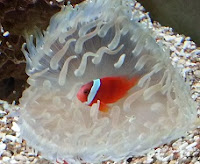
tomato anemonefishCan be very unpredictable though because the swing in mood can be very drastic and often comes as a surprise. Sometimes seasonal fish which have already acclimatized and living for years in the same tank will suddenly turn rowdy and attack small crustaceans. No explanation though but based on observation, it could be related to sexual maturity. Certain anemonefish like Clown (Amphiprion ocellaris), Maldive (Amphiprion nigripes) and Pink Anemonefish (Amphiprion perideraion) are certainly recommended over the other species in the same group. Most of them will establish close relationship especially towards sea anemones, but those commercially bred will not display close affinity like their cousins in the wild. In fact these fish will do just fine without even having the invertebrates in the tank. And because overall they are relatively tame, adding invertebrates such as starfish, snails or even clams to the tank will not pose much issue. The number one rule of thumb is always to introduce the fish as the last addition to an already established tank.


comparison between fluval and eheim Comparing Between Different Fish Filters (Advantages and Disadvantages). How about other brands like the BiOrb?

What Makes African Tetra Different?

Both the South American and African Tetra belong to the Characin group, and the only difference between them is basically the geographical location which they were originally found. While most of the common tetra fish belong to the South American group, there are also quite a number of popular aquarium species which originate from Africa. The African Tetra basically looks just the same like their SA counterparts in terms of size and shape, and they share some common behaviors like for instance their shoaling abilities and also their requirement on having acidic blackwater condition. Although the African Tetra do not get as much attention or fanfare as the other characins, but however if you are an avid collector, they are definitely one of the coolest pet fish which you should get and add it to your freshwater fish profile. Below is the list of some of the most popular African Tetra that you might want to consider to become part of your community tank dwellers.

African tetra fish
Picture from left: Long-finned, Jelly bean and Congo Tetra
Long-finned African Tetra (Brycinus longipinnis)
Long-finned Characin (as they were sometimes referred to) is one of the most peaceful shoaling community species. They are naturally found living in Niger river in the Western part of Africa especially in Sierra Leone and those specimen that you find sold in pet stores are most probably imported and then commercially bred to make them adapt to live in home aquariums. The fish which are overall plain silvery-green in color, except for a vertical black line near the tail fin, will do just fine living in a tank specially tailored for the other tropical freshwater fish like for example the platy, guppy, pencilfish or even danios. The long-finned tetra can be easily sexed based on their finnage appearance whereby for the males you can see that the top dorsal fin is slightly longer and extended upwards compared to the females which are noticeably shorter. In terms of water temperature, anywhere between 25 and 27 degree Celsius (around 75 degree F) will be just fine for them and preferably the water should also be soft and acidic in nature. Consider adding peat or bogwood in your attempt to lower the pH. The fish can grow up to 5 inches in length, much bigger than the average aquarium neon tetra and their activeness is often associated with constant feeding of live bloodworms.

Congo Tetra (Phenacogrammus interruptus)
Congo Tetra is another fine example of fish which is part of the African Tetra group. A healthy adult Congo tetra can display a very discerning display of iridescent yellow color on their silvery body plus a little bit of bluish-green shade if you observe carefully especially under dimmed lighting. They make excellent pets and similar like their long-finned tetra cousins, males can be easily differentiated from the females based on the length of their fins. Overall they do not require any special attention in the community setup and if you can provide the same level of care just like the other characins, they will adapt just fine. Similar like the other shoaling species, the fish should be in a company of at least 5 to 7 of them in a group and in terms of breeding, most of the time, it will happen naturally provided that the pH is at the acidic range (around the region of 6.0). The Congo Tetra prefer having dense and well-planted setup, thus you can consider adding aquarium plants like hornwort or cabomba which can easily outgrow the rate which they get eaten or destroyed by the fish.

Jelly Bean Tetra (Ladigesia roloffi)
The Jelly Bean Tetra (also aptly called dwarf characins) belongs to the same part of Africa where you find the Long-finned African Tetra. They are very shy and cautious pet fish which has the tendency to jump out of the tank when they get stressed out or scared. The Jelly Bean name was given mainly because of their size as most of the time, in a pool of healthy adult fish, you will most likely find adult specimen measuring less than an inch (below 2.5cm) in length. Being overall yellowish-green, the color intensity can be used as an excellent indicator to determine the health status of your pet fish. To keep them active and fully accustomed to the home aquarium living environment, make sure that the tank is heavily planted to provide cover for them to retreat to and hide. To counter their jumping behavior, you can also consider adding some floating aquatic plants like duckweed. But however, in order to ensure that the plants populations are always kept in check, you should routinely remove and reduce the foliage growth or else they can be a real nuisance as duckweed especially can overgrow and completely cover the whole aquarium surface. Other than focusing on this requirement, Jelly Bean Tetra is overall an undemanding fish which requires very little effort to maintain.

Other African fish species: Tilapia and African Lemon Yellow Cichlids


comparison between fluval and eheim Comparing Between Different Fish Filters (Advantages and Disadvantages). How about other brands like the BiOrb?

Studying South American Tetras Needs

The South American Tetras are considered among one of the largest groups of freshwater fish. They are naturally found in rivers with the waters slightly acidic in nature (around region of 6.5, the lower the better, up to 5.8) and the tetras are often associated with their active behavior, fast swimming ability, small size and most notable is their shoaling characteristic. The fish are collectively known as The Characins or Characidae which also include the African Tetras but to stick to our topic of discussion here, we will only focus on the South American species. There are quite a number of commonly found tetra fish (about 20 to 30) which has been commercially bred and domesticated in home aquariums around the world, and to quote a few examples would be the neon tetra, emperor tetra, banded rummy nose, yellow banded tetra and the black phantom.

aquarium tetra fish
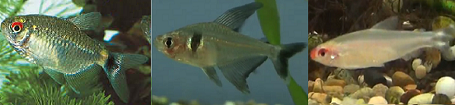
Picture left to right: Red Eye, Black Phantom and Rummy Nose Tetra
The water requirements
South American Tetras are well-known for its demands in terms of having the right water quality. Most people failed in their attempts to rear the fish because they fail to understand their most basic requirement whereby only a fully-cycled aged tank (3 months old is the best) is suitable for them to live in and with the nitrate level needs to be as low as possible with the recommended range dipping below the 20ppm cut-off point. And because of that, in order to achieve the required level, you will need to have a highly-dense planted tank in order to establish the perfect aquarium condition.
Also another factor to watch out for is the pH. Based on my own experience although you can keep the tetras living in aquarium having pH close to neutral range, but however, they exhibit higher survival rate and are livelier when kept in water with pH at 6.5. Thus in order to attain that level, you will need to have peat, bogwood added to the tank for the purpose of pH adjustment. Nevertheless the best setup would be an aquarium equipped with an online pH indicator to give an on-the-spot reading on the actual water pH.
The South American species are also considered tropical fish and thus, the right temperature should be at least 27deg Celsius minimum. This is to ensure that they propagate and most important is to minimize the chance of developing unwanted disease. Thus, if you are living in cold climate countries, be prepared to invest on getting a reliable aquarium heater to ensure the water temperature maintains at a stable range.

Life spans in captive aquariums
Tetra fish are known to live for at least 2 years minimum with some species like the emperor tetra surviving as long as 5 years. This is provided that their welfare is well-taken care off and with the best nutrition, it is not uncommon to see the fish reaching an average life-span of 3 years. Most novice hobbyist laments on how difficult it was to care for the fish, with some experiencing their pets dying in just a matter of days or even hours after they were released into the aquarium but my advice is, as long as you follow the basic water requirement detailed out above, your fish should be fine.

Let’s us study some of the most popular aquarium tetra fish:
Black Phantom Tetra (Hyphessobrycon megalopterus)
Black phantom tetra is easily identified based on the presence of a black color patch appearing close to the area adjacent to both sides of the gills. They have a relatively transparent-like body with certain variant of the fish appears to be slightly brownish in color. They only attain size of up to maximum 2 inches in length and just like their other tetra cousins; they share a similar non-aggressive, active and shoaling trademark. Trying to identify between a male and female should prove to be relatively easy as the males have a longer dorsal fins compared to the female fish. Feed them mixture of live foods and dried flakes which they would readily accept.

Banded Rummy Nose (Hemigrammus rhodostomus)
Banded rummy nose is an Amazonian species with its signature red color tip appearing at the front end of its body which is very noticeable. Unlike the other tetra fish, this one has an overall longer torpedo-shaped body. Similar like the black phantom tetra, they only reach a miniature size of 2 inches in length. The color pigment of its body is slightly yellowish on the upper half while the rest of the lower half is silvery. The fish is peaceful and highly sociable in nature, and is definitely a recommended choice, suitable to be added to a community aquarium. Their choice of tank mates should be limited to other non-aggressive species like for example platy, bristlenose catfish, rainbowfish or guppy and you can even consider picking the other South American tetras to keep them company.

Yellow Banded/Red Eye Tetra (Moenkhausia sanctaefilomenae)
The yellow banded tetra is different from the other fish marked by the presence of a thin reddish line appearing on the top of its eye. Overall, when viewed at certain angle, you can actually distinguish the yellowish shade appearing on its silvery scales and the patch also appears more vividly at its tail region combined with black (refer to the picture above). Unlike the other tetra which is relatively small, the yellow banded tetra can reach slightly bigger size up to 3 inches in total. Overall, the shape of the fish is rounder but however, this characteristic does not deter them from being a fast swimmer. Just like all the other tetra fish, they prefer moving in groups, with the presence of their own kind around them and they seem to exhibit stronger shoaling behavior as you rarely find one fish straying away from the group

Neon Tetra (Paracheirodon innesi)
This is perhaps the most popular of all. The neon like appearance is very profound especially when viewed under the fluorescent light. However, compared to the other fish, neon tetra can be very susceptible to disease and sometimes you can end up losing a whole batch of fish without any clear indication to show that they are infected. Neon tetra is characterized by the combination of 3 standard colors, the most is blue, then red and some part at the belly region is silver. They can only breed when pH drops below 6.0 and healthy specimens often display brighter neon coloration (a clear indication of their health status). Females have thicker and plump body, a sign that they are carrying eggs while males are slightly thinner and shorter in length. More information on neon fish can be found at this page about general information and another written post about breeding neon fish.

Aquarium Fun Facts:

1) Do you realize that the Characidae fish group once included the Sabre Tooth Tetra or better known as Vampire fish, which has been reassigned to its own fish classification?
2) Avoid keeping the tropical South American Tetra with brackish water fish like Mollies


comparison between fluval and eheim Comparing Between Different Fish Filters (Advantages and Disadvantages). How about other brands like the BiOrb?

Exciting New Ways to Keep Pet Fish

Aquarium fish keeping hobby is something dynamic as there are always fun and exciting new ways which you can explore and make the whole experience enjoyable. There are in fact endless new ideas and possibilities which you can try and experiment with, and the limit is your own imagination. Combining different choices and setups, the fun part of all these is actually seeing your piece of work turn into the perfect work of art. Over the years, the image of a simple childhood activity has turned into something big, complex, and highly advanced as you will soon discover as you continue to read on. Let’s look at some of the options which a hobbyist can play around to spruce things up.

1. Get different aquarium shapes and setups
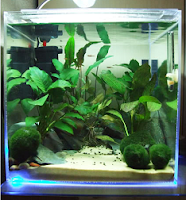
Let’s face it; keeping fish does not necessarily mean having to confine your pets to live in an old boring square-shaped tank. If you are the creative type and would like to have something different, then why not opt for the round or even the odd-shaped fish tank? Not to be compared to a simple fish bowl, which is practically dull, these specially designed tanks that you can see sold in pet shops actually come from reputable brand names and they all have the necessary equipment like filter and lighting fixture combined into one single package. If you observe careful, the aim of the design is to make it compact; use of top quality acrylic material will create the high transparency glass-like appearance and overall, is also created for ease of maintenance in mind. Nowadays there is also a range of specially-designed aquarium forming the term “unique aquariums” which are actually constructed to blend and fit in nicely into your modern living room concept like for example, the coffee table fish tank, kitchen aquarium cabinet and some others, all beyond simple imagination. Even nowadays round or odd-shaped aquariums are preferred over conventional square tanks, as it is considered the most convenient setup for keeping small pet fish like neon tetra, platy and is also suitable to house the tiny freshwater shrimps.

biorb fish tankplanted fish tank
How about getting a round shape biorb or even try out with different plant layout? The possibilities are endless…

2. Decorate the tank
Having an empty bare-bottom fish tank might sound like a good idea especially for those cleaning freak. You don’t have the gravel that can accumulate dirt, it is easy to scrape off the algae growing at the corners and overall you can significantly cut down the time to do a complete tank cleaning. However, the downside to all these is you will end up having a plain boring aquarium. Not many will agree with this, but do you realize that decorating the tank with plants and other decorative items actually offers its own benefits? Take for example the aquarium plants. The living flora growing in the water can actually serve as biological filtration to absorb harmful chemical buildup in the water and in turn improves the water quality. The layer of gravel which forms the base of the tank can actually become the filter media for a type of filter system call the “undergravel filter”. Having decorative materials like shells also serve as hiding spot for certain type of fish like cichlids and the list goes on and on. Overall, depends on how you manage, there are certainly pros and cons involved but definitely the benefits outweighs the negative impact.

3. Mix and create a community aquarium
One of the challenges to aquarium fish keeping is how to create a community setup whereby you can have different species of fishes, all living together in the same tank and interact with one another without showing any hostile behavior. The benefit when having different types of fish that co-exist together is that it will turn the aquarium towards having a more natural look, and with all the different shapes and colors contributed by the variety of species, this will help portray a more vibrant and lively surrounding. Most of the time spent will be on experimenting which type of fish will go along well with the other and overall this involves some research, some trial and error before you come up with the perfect setup. Trust me; this is all worth the effort.

4. Transform it to saltwater
While freshwater is fun, turning your aquarium into saltwater tank opens up new possibilities. There are species that only thrive in marine environment like colorful giant saltwater clams, living corals, anemones, feather duster worm, starfishes, seahorses and to the more exotic unicorn fish which you can consider. Also another point to take note is that when comparing between freshwater and saltwater species, those from the marine fish families tend to be more colorful. Maintaining a saltwater tank also presents new challenges because the water that you intend to mix in has to be first tested for the correct salinity. Sometimes you will also need to invest on new equipment like wave makers to keep certain types of marine fish and overall, all these will involve some reading to understand that particular species behavior. The marine field is often reserved for those advanced aquarists who has mastered the skills and brought together their knowledge from freshwater aquariums. Also you might be interested to read up on basic saltwater aquarium maintenance and troubleshooting before you take the giant step.

5. And finally....Turn it into Aquaponics!
Lately aquaponics is becoming the recent trend in aquarium fish keeping. Aquaponic is actually a different concept which combines both fish keeping and vegetable planting into one single standalone independent system. Instead of having just the fish tank alone or the plant bed lying around in your garden, you can actually utilize the waste generated from your pets and in return, whatever worms growing in the plant bed can be used to feed your fish, up to the point whereby it is self-sustainable by its own. Most of the advanced systems have been upgraded to be fully automated which means that once you have really fine-tuned the setup, such as tank capacity, flow rate, timer, the rest of the daily maintenance will require very little intervention. Read more about aquaponic and how you can actually build a simple setup despite having space constraint. Related fishkeeping topic: Guide on upgrading to new fish tank.


comparison between fluval and eheim Comparing Between Different Fish Filters (Advantages and Disadvantages). How about other brands like the BiOrb?

What causes fish jump out from tank?

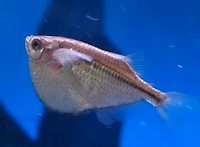
Hatchet fish swimming in an aquariumIf your pet fish is jumping out from the tank, it’s a tell-tale sign that something is not right. Fish just like any living creature will not resort to such drastic action unless there is a specific reason that drives them to do it. Most of the time it is not difficult to figure it out yourself and as a responsible pet fish owner, it should be your duty to find out why it happens and take steps to rectify the situation. Let us consider all the facts and factors stated below.
Poor living condition
Water which is too warm, extremely low temperature, dirty, lack of oxygen, highly alkaline or acidic way out of their liking and coupled with prolonged condition will often leave them with no choice but to jump out of the aquarium. For example, if you have a platy living in a tank without any form of heater during the winter, and the temperature drops way below the minimum 82deg Fahrenheit (28deg Celsius) that they require, it is a sign that you are inviting trouble to happen. Sometimes when you introduce new pet fish from the water in the bag which is warmer compared to the water in the new tank having much lower temperature, this can also stimulate the same effect. Thus, always watch over your water quality and it is a good practice to perform a routine check on your water temperature before you add in the new fish. Also another factor to consider when it comes to living condition is when you have a tank with the size too small to accommodate your pets. This is especially when you force them to live in an aquarium with practically no room to swim or maneuver around and this is just a disaster waiting to happen.

Fighting and Bullying
Let’s face it, no matter which living species we refer to, there are bound to be internal competition that can lead to fighting. Whether it is for food, living space, to claim territorial dominance, in searching for partners, or simply just a male to male duel to see which one is stronger, all these are bound to turn out to become an ugly business. Losers will often left with no choice or way out of the mess and thus jumping out from the aquarium seems to be a sensible option. A good example would be Betta fighting fish. Sometimes fighting can also be due to tussle occurring among different groups of fish and usually size is a major factor here because the smaller fish will often become the subject of bullying by their larger tank mates. In this situation, either you transfer your pets to a separate aquarium or split them apart by introducing a tank partition to ensure they will not bump into each other anymore.

Fungus or Parasite Infection
Fungal growth or parasitic infection (normally those that survive living off the slime on the body of the fish) can cause your pet to swim in an erratic matter, often scratching onto the surface of the tank and to certain extent can even lead to them jumping out from the tank. When you notice this happening, a quick remedy is usually to introduce some salt (0.5% concentration) and to deal with specific situation, I suggest you check out the post on fungus infection and anchor worm infestation.

The Fear Factor (Scared or Startled)
This usually happens when you introduce a fish to a new living environment. Based on my own experience, when you have a fish living in a pond where the only threat they can see is from the above and out of a sudden you decide to put them into a glass tank with a 360 degree view of a totally new environment, they will start to freak out. This is because they haven’t really adjusted themselves with the condition and this happens mostly to fish bred in pond with those that have never experience life living in a glass tank. For example, if you are decide to transfer your koi carp from a pond to a fish tank (to winterize them indoor) then the jumping out of the tank scenario is something you should certainly watch out for.

Bright lights, sudden flash can also startled your fish. Paradise fish for example are known as frequent jumpers because anything new or something happening out of a sudden will cause them to leap out of their enclosure. Make it a point to avoid putting the tank too close to TV or moving source of light. Also if you have an aquarium without any form of lighting fixture, it would be a good idea not to suddenly turn on the lights for the room as it will cause your fish to dash around frantically searching for a hiding spot. To deal with this problem, it is either you construct a proper hiding space for them to retreat to or make it habit not to turn on the lights for the room once you have switched it off.

Traits of The Fish
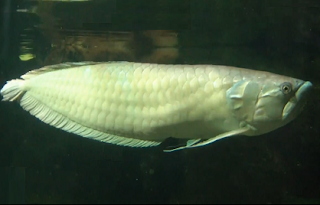
Certain fish has the tendency to jump out of the water. This has nothing to do with size as sometimes even the larger fish can decide to perform the stunt. Fish species that shows this behavior is mostly due to predatory nature that leads them to hunt for creatures out of the water. One good example is the freshwater trout, distichodus fish and silver arowana which can reach few feet above the water in a single jump. Thus, if you are keeping those type of pet fish, either make sure you have a very large tank to accommodate their jumping behavior or else, put a protective cover or netting to ensure that they won’t end up out of the water. Also, if you are keeping small hatchet fish which are top surface dwellers, be wary on their sudden change of mood especially when you are performing tank cleaning and lowering down the water level. The last thing that you want to see is some dried up dead fish lying motionless on the floor.


comparison between fluval and eheim Comparing Between Different Fish Filters (Advantages and Disadvantages). How about other brands like the BiOrb?

Summarizing Needs of Silver Arowana

My first encounter with a giant silver arowana (Osteoglossum bicirrhosum) was couple of years back when I got the special privilege to visit a private freshwater fish sanctuary located in Indonesia. Owned by successful Indonesian-Chinese businessman cum avid fishkeeper, he specially constructed a massive 8000 gallon outdoor pond to house various types of primitive monster fishes ranging from freshwater stingray, featherbacks, catfishes, giant gourami and of course the silver arowana as the main attraction. Despite its rather dull appearance, one thing that made me put careful observation on the fish is its graceful movement and elongated shape (when viewed from above) which bears close resemblance to the mystical dragon. That somehow led me to conduct my own research and understanding further about this special creature.

south american silver arowana
What makes it unique?
Unlike its colorful and fancy asian arowana cousins, the silver arowana which actually originated from another continent in South American rivers is rather pale with some exhibiting slightly darker coloration. However, what makes up short in one area is replaced in another as the silver arowana is considered among the category of extremely smart fish. They are very responsive and are known to recognize the owner who feeds them. You can actually get close to the fish which unlike any other fish will just dash away, the silver arowana will allow you to perform hand feeding up to the extent of even allowing you to touch their body and scales. Initially I was worried about the fish swallowing or injuring my hand, not to sound dramatic or anything out of the extraordinary but when you consider and see with your own eyes the size of the mouth opening, it just sends the chill to bone. However, after several rounds of interview with the owner and then trying it out myself, I just conclude that they are smart enough to be able to differentiate on what they call food and friend.

Their requirements
Keeping the giant fish nevertheless will require a very huge enclosure. Considering their size which can go up to 4ft in length, any standard aquaria or even those special-made 200 gallon tanks measuring close to 8ft (which have already doubled their length) would still not be enough. I was told that when they are actually forced to live in tight living space, it will actually induce unnecessary stress and jittery. One thing leads to another and the worst case scenario is developing some hard-to-cure illness and disease. Silver arowana kept in subpar poor living condition will never grow to reach their full body size and some were known to develop crooked shape as frequent awkward turning around the tank can inflict injury to their body. Another important fact that all aquarist will also need to understand about the fish is that they will readily jump. This is actually the natural predatory instinct which allows them to hunt for insects and other surface dwelling organisms and to recap the tight living condition which I’ve mentioned earlier, this will further encourage them to jump in order to escape from their tank. Nevertheless, the most ideal condition is to construct a pond and let them develop their true potential.

Home Pond Setup
Just like any other fish species, maintaining clean, oxygen rich water remains your top priority. This means having a high performance aquarium filtration will make a lot of difference. If possible, invest on getting a wave maker which is often installed in a saltwater fish tank as it will help induce your pet fish to swim and develop a healthy body. Make all effort to avoid overcrowding as too many inhabitants will reduce the dissolved oxygen content and lead to higher waste generation. In terms of suitable tank mates, usually there is not much of a problem as long as the size of the fish is not too big to fit into your silver arowana’s mouth. Your pet should be able to get along very well with other non-aggressive fish and they will even tolerate the presence of their own species. The is no limit as to how big you prefer your pond to be but ideally in terms of depth it should not be anything less than 4ft in depth. Try not to go too deep (above 10ft) as the deeper the water goes, it would mean there would be lower concentration of dissolved oxygen. Sometimes, when you are not sure whether it would be better to have a pond or a gigantic aquarium, probably you might want to read up on the pros and cons factors before finalizing your decision. Also, do read up on how to dig and build your own pond.

Feeding
Food plays a major role in terms of growth and overall health. Avoid putting the same type of food everyday and instead opt for variety of meal. There are quite a number of quality prepared fish meals like hikari floating pellets made exclusively for arowana, so I would suggest you try that out. Also avoid feeding goldfish as their main diet as these feeder fish are rich in fat and are sometimes known to harbor parasites in their body and thus inadvertently gets transferred to your arowana. If possible, provide diets rich in protein like beef and then varied their diet with insects (crickets) and crustaceans like for example shrimps. Feeding should be limited to twice a day (at least 10 hours apart) but never feed more than what is needed because depending on what you give to your pet fish, the digestion process can be very slow.

Disease Treatment
Silver arowana are known to develop a condition called drop eye. Although there are several explanations and hypothesis said to be the root cause, there is really nothing to worry about as it won’t affect their general health except losing some aesthetic value. Instead, more attention should be given when they refuse to eat. In this case, look for signs of parasite usually by checking the stool discharged by your pet fish. You can notice that the poop will turn white if your silver arowana is suffering from this condition and the best approach is to apply the medicated foods containing antibiotic sold by pet shops which can directly deal with the parasites hiding inside. Sometimes it may not relate to parasitic infection after all and for general illness, work on adding some salt and bring up the water temperature at least 3 degrees higher than what you normally control in your fish pond. This will assist towards natural healing process.


comparison between fluval and eheim Comparing Between Different Fish Filters (Advantages and Disadvantages). How about other brands like the BiOrb?

Aquaponic Requirements Technical Aspects

Aquaponic is a complete organic system that does not rely on the use of pesticides, fertilizers or man-made chemicals to sustain the food production process. The natural ecosystem that combines aquarium fishkeeping and vegetable planting into one complete package is actually easy to manage once you have reached the equilibrium stage whereby everything is already self-sustaining. But before we move on to that level, let us first examine the requirements and other technical aspects to help you get started. Note that, if you already have some basic understanding, you might just continue to read on, or else, you can just check out my previous post to understand about the underlying concept of what an aquaponic system really means.

The Requirements
You need a large area
This is basically the first and foremost requirement. An aquaponic system which is too small can be quite impossible to maintain because high concentration of waste (ammonia buildup) during the initial stage can be poisonous to both your plants and fish. Even after the system has already stabilized, if you have a large setup in place, any upset or deviation from the standard control parameters (like for instance pH, temperature or nitrate content) can make very little to no difference at all. The minimum area should be at least 120 square feet (or roughly 13 square yards) and of course, the larger the space you can allocate, the better. Don’t worry when it comes to choice of location because there are quite a number of aquaponic enthusiasts who are successful at setting up their system in their basement. Of course there are those who prefer having it in the garden or open-air backyard, but there’s nothing to worry about because whichever location that you choose, just make sure that you have proper lighting to act as natural sunlight.

The Technical Aspects  
Equipment
Below is the list of must-have equipment
Pumps (make sure that it is sized according to the desired flowrate). A standard size aquaponic system with a 100-gallon fish tank to support 50 square feet (2 feet depth) of vegetable growth bed would require minimum 200 gallons per hour of flowrate. The calculation here is made on the assumption that you will be using a timer to let the pump alternate start stop every 30 minutes.

Pipings. This will depend entirely on you desired flowrate and since you are using 200 gallons per hour as your benchmark, the pipe size required would be about half inch in diameter to minimize pressure loss and this will allow your sprinkler to work. Material wise, PVC would be fine but I prefer black polyethylene pipe for its durability

Sprinkler. This is needed to spray and distribute the water from your fish tank to your growing vegetable bed. However, depending on how you run the piping, it may not be necessary to have it as some people actually run the piping directly underground at the bottom of the vegetable bed.

Let’s look at the proposed configuration which I’ve detailed out below.
proposed aquaponic configuration
As you can see from the drawing which I’ve attached, basically (A) from the fish tank, you will need to pump the water going to your vegetable bed and distribute evenly to all the areas of the plants. The nutrient rich water will seep underground and will eventually fill up the bed until it reaches the overflow pipe level (C). Meanwhile any excess water will also get returned back to your fish tank via the pipe installed at the bottom bed (B). After running for 30 minutes, the pump will stop and the remaining water will continue to drain off via the bottom pipe. Note that the 30 minutes interval will very much depend on which type of vegetable you intend to grow because certain plants may not need to be watered frequently. Also during the time the pump is not running, it might be a good idea to install an aeration device to stir up the water in your fish tank to continue to provide the much needed oxygen.

Other Considerations
Which is the best fish for my aquaponic system?
To be frank, there is really no right answer for this. Any type of food fish would fit in nicely but the most popular that every aquaponic enthusiasts would really focus on today is definitely tilapia. The fish being a hardy freshwater species will grow fairly fast to achieve a sizable body mass, rarely develop disease complication and is definitely not picky when it comes to feeding time.

However, if you do not have the intention to breed food fish and instead prefer beautiful ornamental fish, then you can opt for gourami or even Japanese koi. All these are up to you to determine.

Do you really need worms?
The answer is “Most Definitely”. Presence of worms is not only beneficial for your plants (as it helps to decompose the waste and loosen the soil), any excess can actually be used to feed your fish. However, the most common mistake that every enthusiast made is to introduce the worms too fast into the aquaponic system, only to discover that all of it will eventually die off.  The point that I want to stress here is that what is more important is to let the system slowly establish itself and then let the worms grow naturally. Many people that I know go to certain extent to introduce some non-native species, but somehow you might not realize that they might already been there after all.


comparison between fluval and eheim Comparing Between Different Fish Filters (Advantages and Disadvantages). How about other brands like the BiOrb?

About Me

sockyee
View my complete profile